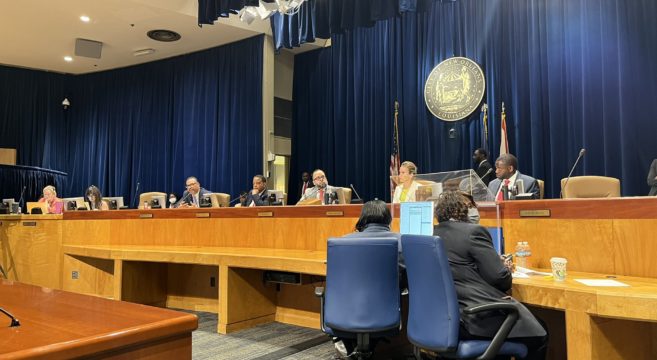
The New Orleans City Council has enacted a one-year moratorium on data-center development throughout the city. This decision, made during a special meeting on January 29, 2026, pauses a proposed facility on Read Boulevard in New Orleans East, which had drawn significant local opposition. The council also directed the City Planning Commission to define what constitutes a “data center,” setting the stage for potential long-term policy changes affecting data center locations across the metro area.
Councilmembers Jason Hughes, Eugene Green, and JP Morrell were instrumental in the vote, responding to resident concerns about the potential impacts of the energy-intensive projects. The developer, MS Solar Grid Data, had proposed the site off Read Boulevard and claimed the project would create between 30 to 40 permanent jobs. The moratorium will last at least one year, although it could be extended depending on the Planning Commission’s forthcoming recommendations.
The immediate zoning change significantly impacts prospective data-center projects, potentially affecting land values and development strategies in New Orleans. The city’s move reflects broader concerns regarding the utility, water, and infrastructural demands posed by such projects, which often require substantial electrical outputs and cooling systems.
The policy shift marks a notable stance by the local government, with potential implications for future regional and national tech investments in Louisiana. It underscores the caution local leaders, and communities are exercising about large-scale industrial developments and their infrastructure requirements.
Looking ahead, the City Planning Commission will outline a formal definition for “data centers.” These forthcoming regulations will play a crucial role in shaping the area’s real estate and development landscape. During this period, investors and developers will likely adjust their strategies as they navigate the new regulatory environment.
about the author: CSB Staff


