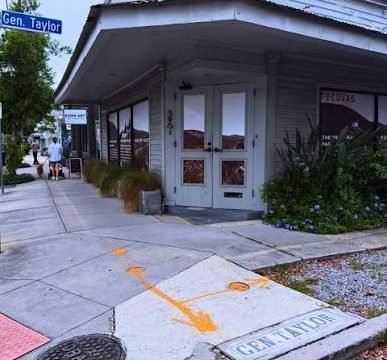
Austin-based western wear retailer Tecovas is opening its first New Orleans store at 3901 Magazine Street, with a grand opening scheduled for Friday, October 23. The 3,000-square-foot space sits on a corner of the Magazine Street retail corridor and was previously occupied by Pilot & Powell, the local boutique that has relocated several blocks away to 4017 Magazine Street.
Hive Construction served as general contractor on the buildout, which has been underway since midsummer. The store will carry the brand’s full assortment of handcrafted boots, workwear, apparel, and accessories, and will offer on-site personalization with branding irons, a feature Tecovas uses across its physical locations to differentiate the in-store experience from its direct-to-consumer channel.
Chief executive David Lafitte, who was born and raised in New Orleans, personally helped scout the location. We’ve been patient about getting this right because New Orleans deserves more than just another retail store, he said. The opening event runs from 10 a.m. to 6 p.m. and will feature a jazz trio curated by David Torkanosky along with Heather Littlefield, plus complimentary beignets and café au lait during the morning hours.
Tecovas launched in 2015 as the first digitally native western brand and has raised roughly $109 million across its funding history. The company moved into physical retail several years into its life and has since expanded across the country, adding a wholesale partnership with Bass Pro Shops in 2026 that placed its products inside select stores with a full branded presence. The New Orleans location continues a store rollout that has concentrated on high-traffic urban shopping corridors rather than malls.
The lease fits a pattern that has reshaped Magazine Street’s tenant mix over the past two years. Reformation, Le Labo, and Hill House Home have all opened their first local storefronts along the corridor, drawing national brands into a street that historically leaned toward independent retailers. Brokers have described the clustering as self-reinforcing, with each national signing making the next one easier to underwrite.
The turnover at 3901 Magazine illustrates the trade-off. A long-tenured local boutique vacated a prime corner and moved to a smaller position down the street, and a venture-backed national brand took the space. For landlords along the corridor, the arrival of credit tenants willing to pay for corner visibility has lifted achievable rents; for the independent operators who built Magazine Street’s reputation, the same dynamic has made the best positions harder to hold.
about the author: CSB Staff